
720-437-9580 | [email protected]
Simply Live Better
Design your space, brand, and business with clarity.
Explore simple, feel-good articles on home staging, color, wellness-centered design, and digital strategy—plus tips to help overwhelmed entrepreneurs find focus and take aligned action.
Staging vs. Decorating: The Essential Difference for Selling Your Home
When preparing a home for sale, many homeowners mistakenly believe that decorating and staging are one and the same. However, understanding the clear distinction between these two approaches can significantly impact how quickly a property sells—and the price it ultimately commands.
Decorating: A Personal Expression
Decorating a home is inherently personal. It’s all about showcasing your personality, interests, and style. That means displaying family photos, choosing bold paint colors, arranging collection pieces, and creating a space that feels like a hug—a true reflection of who you are. Decorating is about comfort, nostalgia, and living in an environment filled with things that you love.
However, what makes a space feel unique and special to one person might not resonate with another. From vibrant accent walls to idiosyncratic artwork or even bear skin rugs and zebra heads, a decorated home tells your story. While this personal touch makes daily living joyful, it can become an obstacle when it’s time to sell.
Staging: Strategic Marketing for a Fast Sale
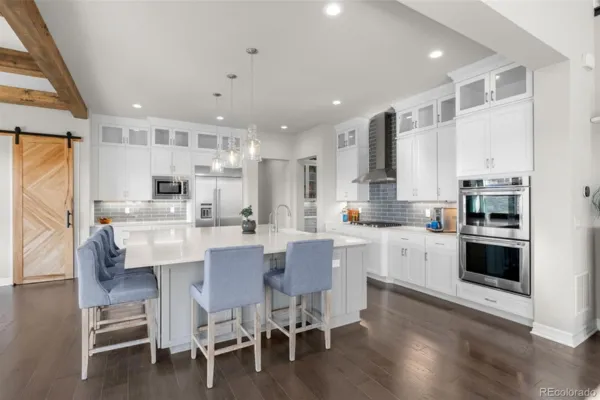
Staging, by contrast, is a strategic process designed to appeal to the broadest possible pool of potential buyers. The key to staging is depersonalization. Rather than reflecting the current homeowner’s tastes, a staged home is neutral, inviting, and highlights the bones of the property itself.
Professional home stagers approach their work much like marketers. Their objective is to make the home a blank canvas—a place where buyers can easily envision their own life and belongings. This often involves:
Neutralizing paint colors: Moving from bold or dated shades to timeless, universally appealing palettes.
Maximizing natural light: Opening up drapes, cleaning windows, and changing the layout so rooms feel open and bright.
Decluttering and removing personal items: Packing away collections, eclectic decor, trophies, and anything that might distract from the space itself.
Optimizing furniture layout: Arranging furnishings to improve flow and make rooms feel as spacious as possible.
The result is a home that feels fresh, spacious, and move-in ready—a property that appeals to the masses rather than a select few.
Why the Difference Matters
Buyers have a harder time connecting emotionally with a home that’s been decorated to suit someone else’s tastes. They may admire a unique color scheme or quirky decor, but it forces them to see the house as “yours.” In contrast, a staged home encourages buyers to picture themselves living there, mentally moving in their own furniture and imagining new memories in the space.
Research shows that buyers tend to spend more time in staged homes than in those that haven’t been staged. The longer a potential buyer lingers, the more they start envisioning the property as their own—leading to faster offers and oftentimes, higher selling prices.
The Power of Paint and Simple Fixes
One of the simplest and most cost-effective staging strategies is updating paint. A fresh, neutral coat can instantly modernize a space, making even older properties feel current and well-maintained. Sellers often resist painting, worrying about the expense or effort. Yet, as staging professionals advise, it’s “money in a can”—an investment that nearly always pays off in terms of buyer interest and final sale price.
In today’s market, buyers generally want move-in-ready homes. Properties that appear to need updates or repairs—like bold paint colors, outdated light fixtures, or unusual decor—often receive lower offers, or get passed over entirely.
Staging is Marketing
The bottom line is clear: while decorating is about self-expression and comfort, staging is about maximizing appeal and driving a sale. Successful staging requires a shift in mindset from “this is my home” to “this is a product I’m marketing.” By embracing the principles of staging, sellers can capture the attention of more buyers, create emotional connections, and ultimately, achieve a faster and more profitable sale.
When it’s time to put your house on the market, ask yourself: are you showcasing your home, or your stuff? Always choose staging over decorating for a seamless, successful sale.

I'm Stephanie, a clarity mentor, home staging consultant, and digital designer based in Parker, CO. I started out helping homeowners sell their homes with confidence, and somewhere along the way realized the thing people needed most wasn't just a staged room. It was clarity. About what matters. About what to do next. About how to move forward without losing themselves in the process.
So now I do both. And honestly? They're not that different. Whether it's your home or your business, everything gets easier when you can see it clearly.
Web design by slb design co.
2026 © Copyright slb design co.
All rights reserved.